Single origin · Uji, Kyoto — Japan
Ceremonial Matcha
Yabukita cultivar, stone-ground in Uji.
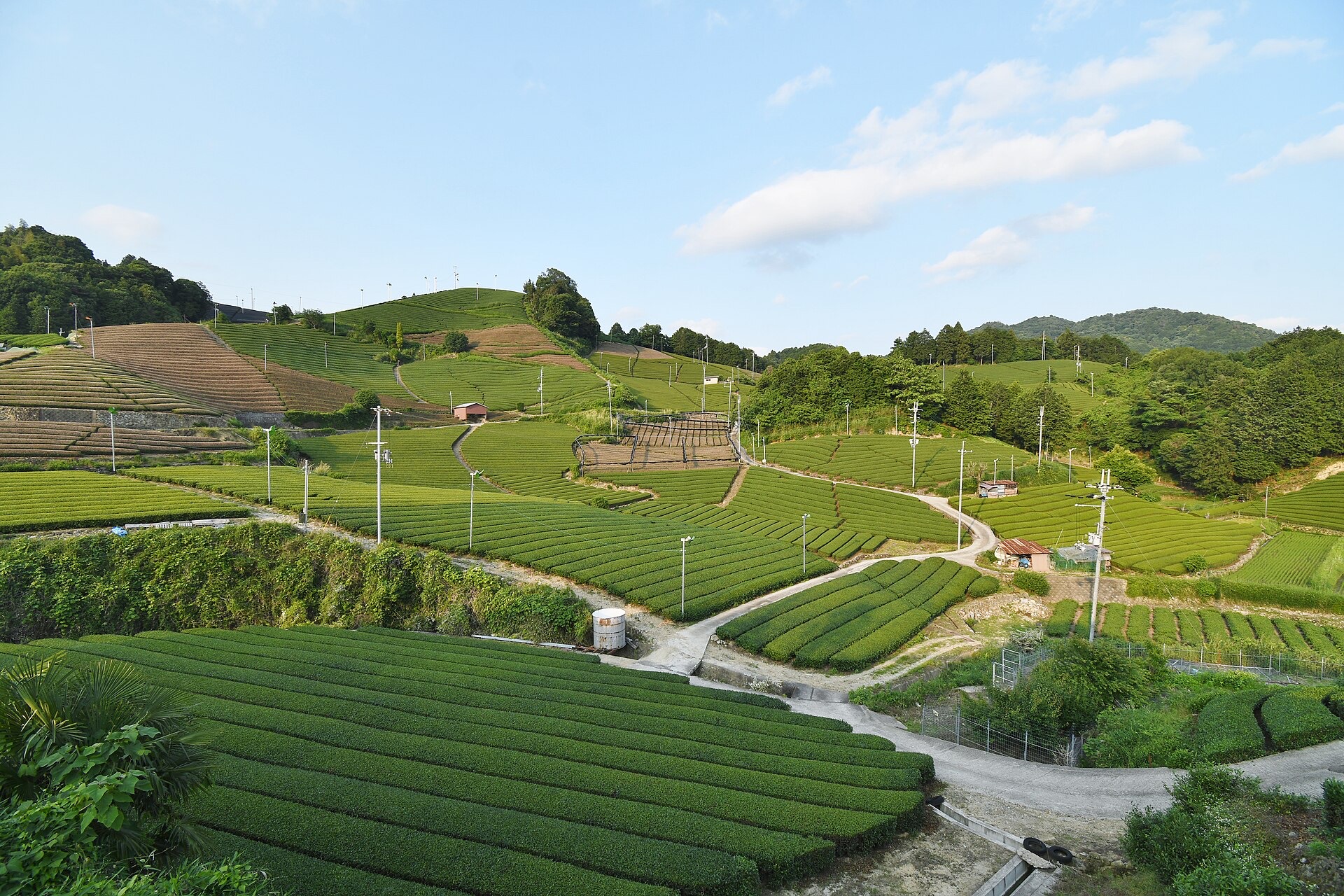
Ishidera tea fields, Wazuka — Uji tea region, Kyoto. Photo: Saigen Jiro · CC0 · Wikimedia Commons
Our matcha is single origin: it comes from Uji, in Kyoto Prefecture, the region that has been defining what good matcha means for more than eight centuries.
It is a ceremonial-grade matcha from the Yabukita cultivar, shade-grown and slowly ground in stone mills. The result is a creamier, sweeter, less bitter cup, with a green you notice at first sight.
- Origin
- Uji, Kyoto — Japan
- Cultivar
- Yabukita
- Grade
- Ceremonial
- Growing
- Shade-grown (ōishita)
- Milling
- Stone mill (ishiusu)
- Provenance
- Imported directly from Japan
Sensory profile
- Creamier
- Sweeter
- Less bitter
- Vibrant green
More natural sweetness and umami, in every drink.
The origin
Uji, the birthplace of matcha
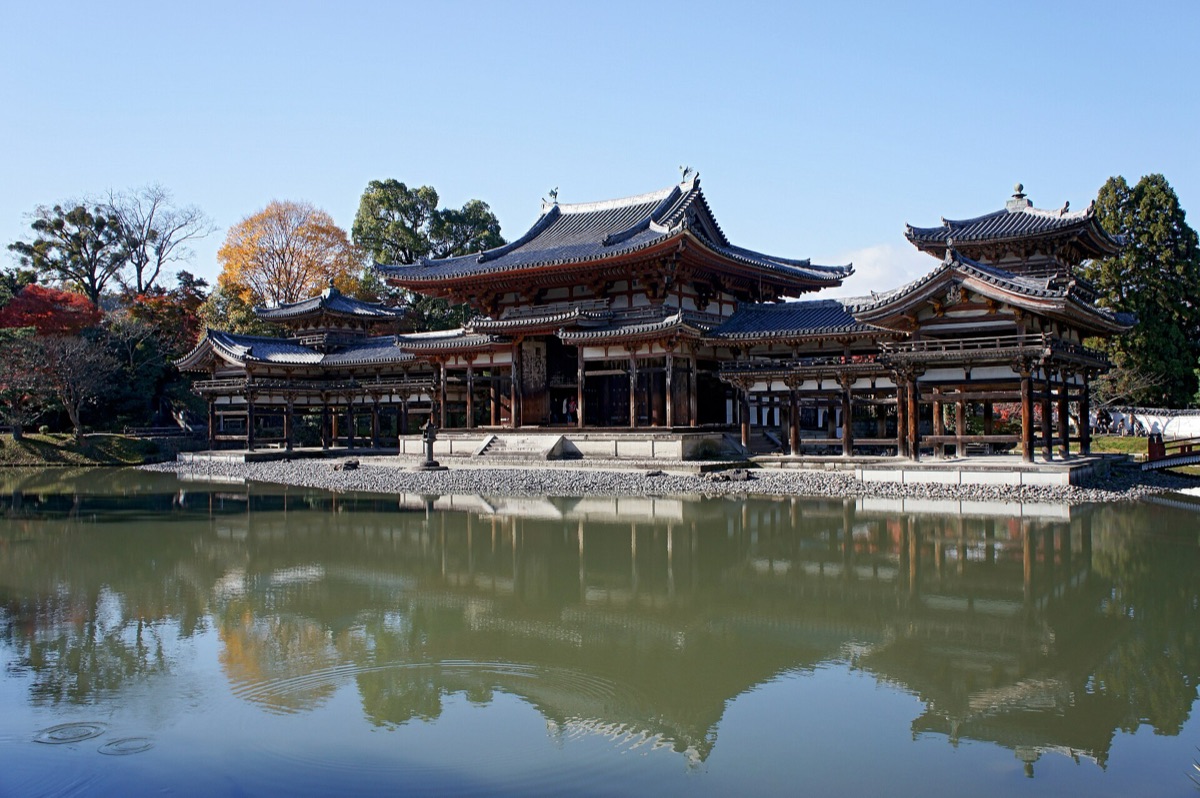
Uji is a small city south of Kyoto, crossed by the Uji River. The morning mists rising from the river, the well-drained soils of its hills and the gap between day and night temperatures create ideal conditions for tea.
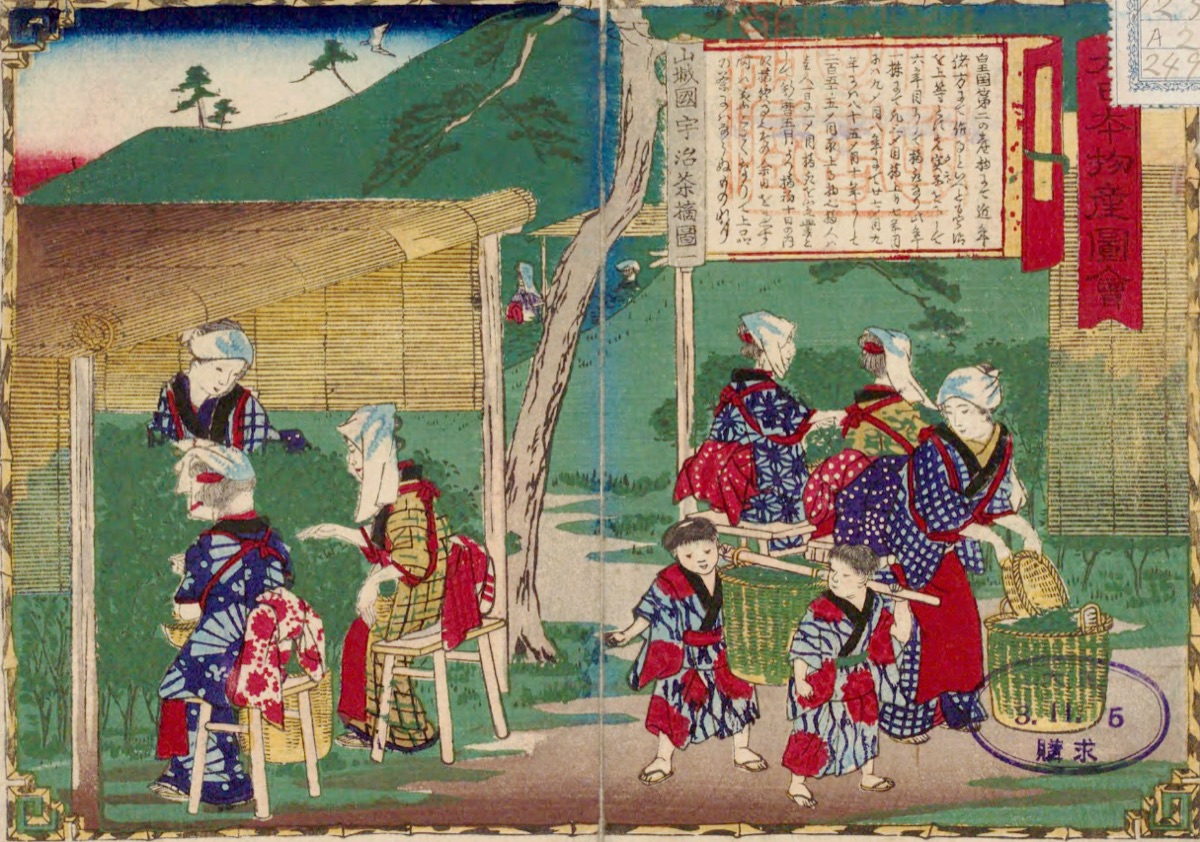
Tea arrived in Uji in the 13th century, when the monk Myōe planted seeds brought from China by Zen master Eisai. From then on, ujicha was the tea of choice of the imperial court and the shoguns, and in the 16th century Uji's growers perfected the technique that makes matcha possible today: covering the plants to grow them in the shade.
Today ujicha is considered one of Japan's three great teas, and the region remains the world's reference for matcha.
The growing
In the shade
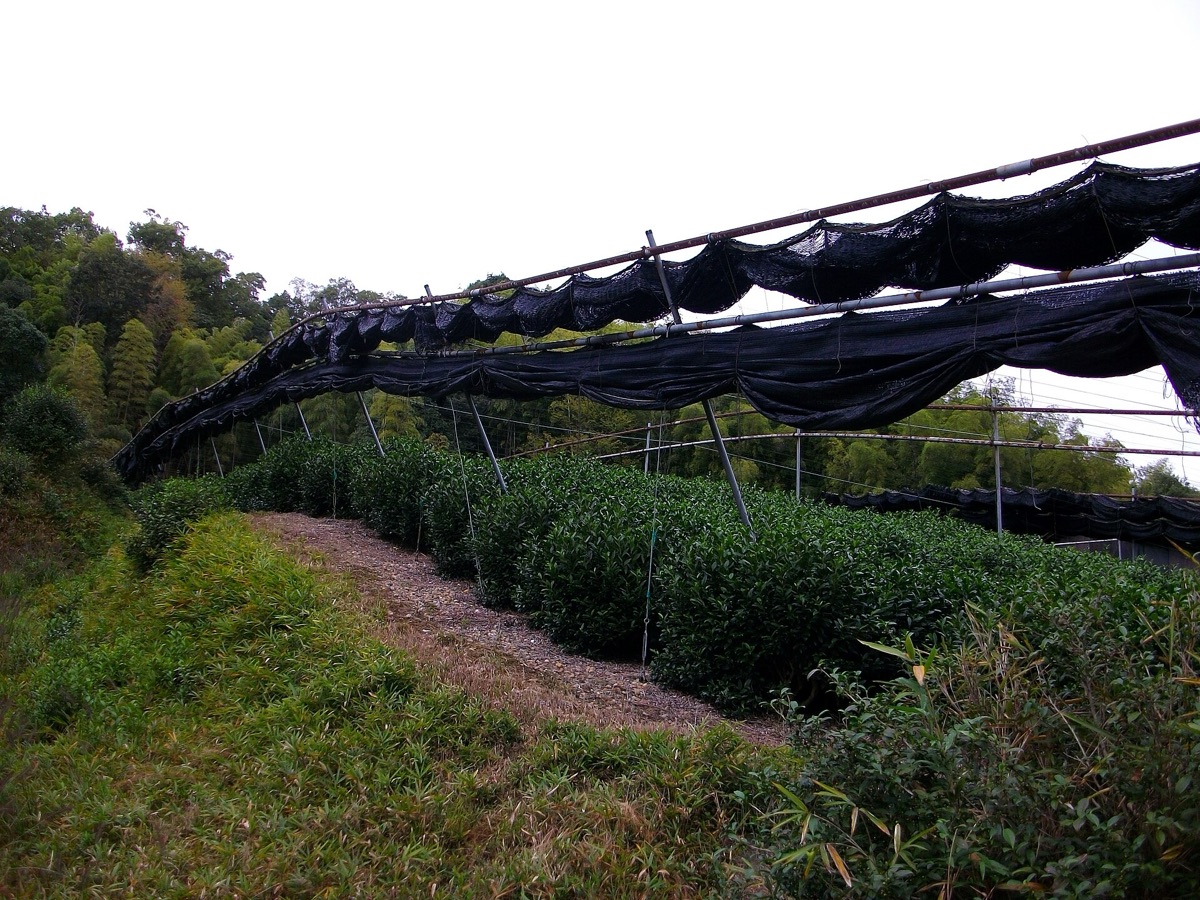
About three to four weeks before harvest, the fields are covered with nets or straw mats that block most of the sunlight. With less light, the plant produces more chlorophyll and keeps more L-theanine, the amino acid behind umami and sweetness.
That is why good matcha is so green and so little bitter. After harvest, the leaves are steamed, dried, and stripped of stems and veins. That clean leaf is called tencha, and it is the only raw material of matcha.
The cultivar
Yabukita やぶきた
In the world of tea, a plant variety is called a cultivar. Yabukita is Japan's most important cultivar: it was selected in 1908 by Hikosaburō Sugiyama, in Shizuoka, from a plant growing north of a bamboo grove. Hence its name: yabu (bamboo grove) and kita (north).
Its profile is balanced and round, with marked umami and a natural sweetness that holds up even with milk. That is why it is the backbone of much of Japan's green tea, and why we chose it for our drinks.
- Selected
- 1908, Shizuoka
- Registered
- 1953
- Presence
- About 7 in 10 tea fields in Japan
- Character
- Umami, sweet, balanced
The milling
Stone-ground 石臼
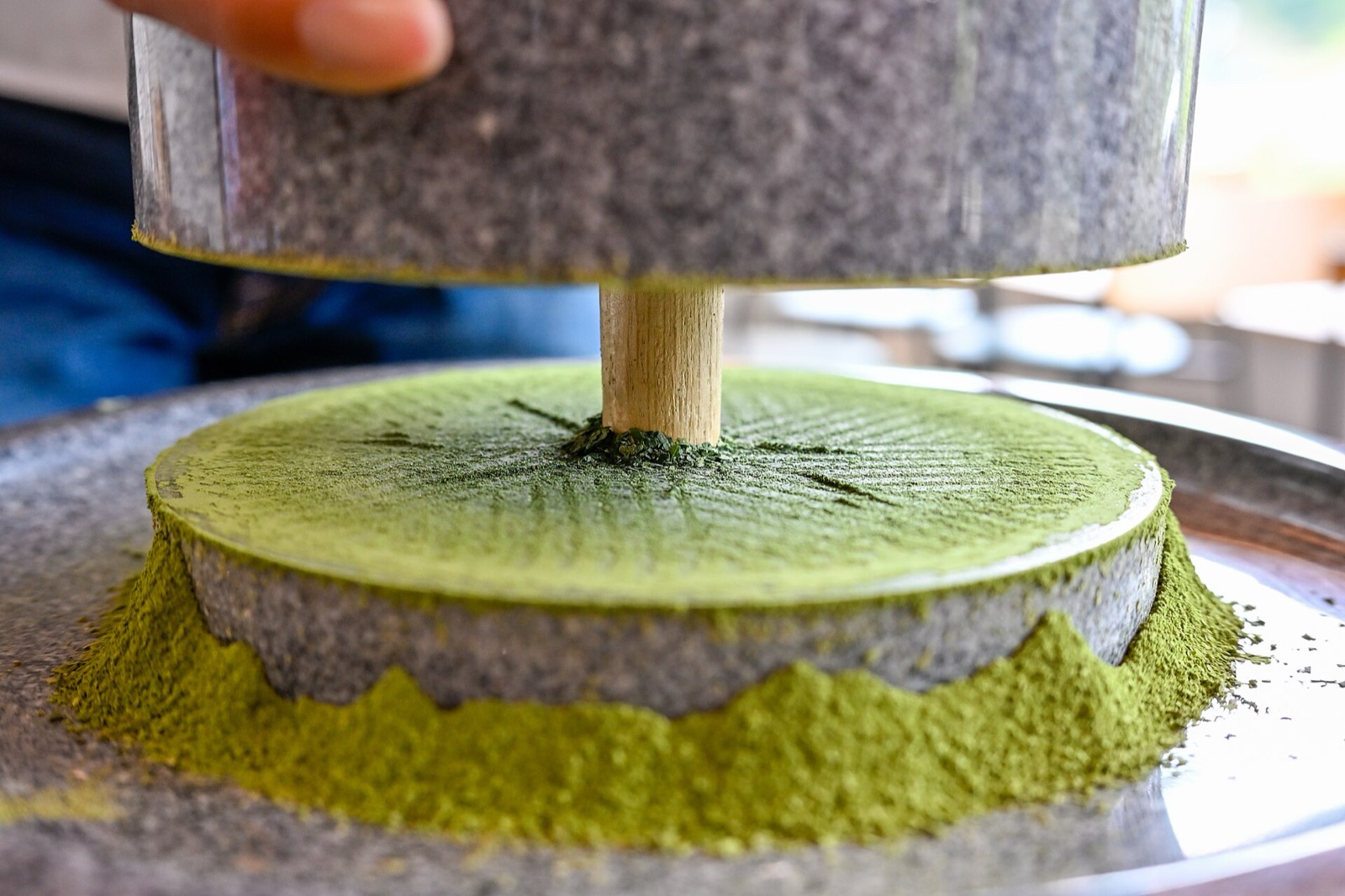
Tencha is ground in ishiusu, hand-carved granite mills that turn slowly. A single mill produces only about 30 to 40 grams of matcha per hour.
The slowness is deliberate: fast grinding heats the leaf and dulls its aroma and color. Stone, instead, produces an ultra-fine powder —just a few microns— that stays suspended in water or milk and gives that silky, creamy texture in the cup.
- 30–40 gper hour, per mill
- 5–10 µmparticle size
- Granitehand-carved
Traceability
Where does our matcha come from?
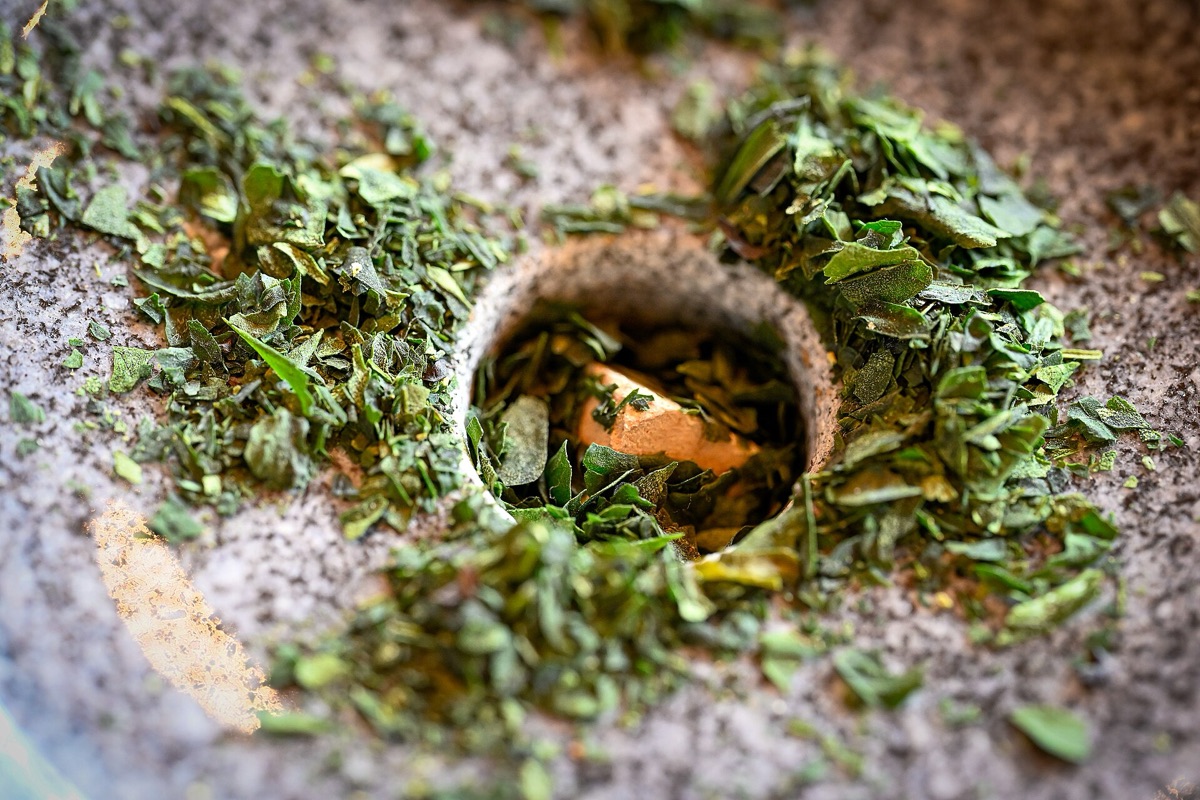
Our matcha is produced in Ujitawara, Kyoto Prefecture, the town where in 1738 Nagatani Sōen developed the steaming method that shaped Japanese green tea.
Every lot arrives directly from Japan with a Certificate of Origin issued by the Kyoto Chamber of Commerce & Industry, officially certifying its Japanese origin.
- Imported directly from Japan
- Certified origin
- Lot-level traceability
Try it at Nítido
All our matcha drinks are made with ceremonial matcha from Uji.